
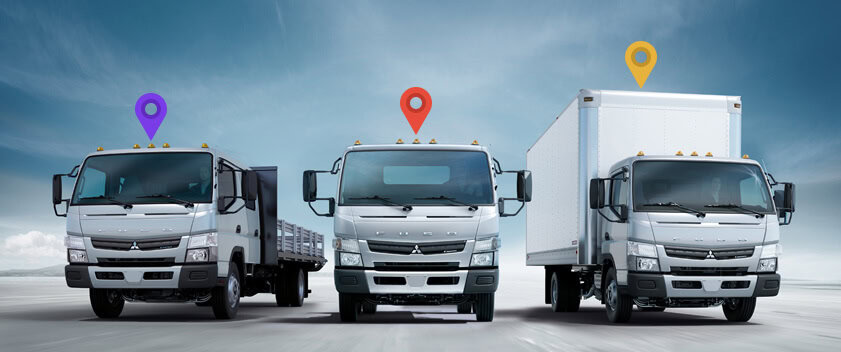
Fleet Managers can monitor personnel, assets and equipment using GPS fleet tracking devices, and this dates back to the early 1980s. Improvements in web-based technology and desktop computer systems over the decades has resulted in affordability of GPS devices, and this has been a significant contributor to the growth of telematics industries.
The ability to track assets and locate them in real-time gives access to essential data which can be used in various aspects such as reduction of fuel costs, vehicle usage, on-site time determination, improved maintenance and maintenance values. This is also beneficial to drivers as it allows them to send forms using their devices, thereby saving time and giving more accurate reports.
GPS is an essential aspect of fleet tracking, providing location across various assets. Below are multiple means of fleet tracking in Australia.
Fleet visibility with the aid of GPS fleet tracking
Time Management
Commercial fleet operators can determine the time vehicles will take in making a delivery based on practical locations given by GPS and schedule more efficient routes.
More can be done using precise location tracking. They can be used to schedule more deliveries, estimate delivery times and plan more effective routes for movement. Dispatchers and fleet managers can also use this GPS-operated system to find vehicles and give responses to all kinds of customer requests, giving accurate delivery times, or changing the routes for vehicles using its location.
Also, dispatchers and fleet managers can locate accurate vehicle locations using GPS trackers, making the whole fleet more efficient and flexible, and saving the valuable time of the fleet and the customer. It is easy to find vehicles without involving the driver by merely looking at a screen, resulting in more precise pick-up and delivery times for the customer.
Another importance of finding vehicles using GPS fleet tracker is that dispatchers will know the fluctuating weather models and traffic issues and communicate changes in routes to the drivers if there are any. Shorter route times improve productivity and increase efficiency.
Search closest Vehicle and Dispatch
Fleet tracking and management enables dispatchers to get vehicle locations instantly on a single screen using this information to know the nearest vehicle to attend to an impromptu customer request or take on new jobs.
A dispatcher can use these quick determiner features to his advantage, saving time, getting more efficient fleets and reducing costs of fuel. Companies can use this fleet tracking technology in sending jobs digitally, which entail routing, instructions and capturing digital signatures.
Detect time on entry and On-Site
When a vehicle reaches its desired destination to drop off delivery or pick up goods, it is vital to monitor the time of entry and time spent. This helps to determine the length of time the job takes. The benefits of these cuts across knowing customer locations and detecting when there is an extension to delivery times or time on site.
Vehicle Security
When there is a stationary fleet during the night or in the off-season, the system becomes vulnerable to theft, threats or unauthorized access. GPS tracking allows for passive fleet monitoring and tipping the monitoring staff of illegal movement. If there is a theft, a fleet manager will be informed in a couple of minutes, and they can inform the necessary authorities with the exact location of the missing vehicle.

